I recently completed a training on the latest approaches in the treatment of Parkinson’s Disease and Neurodegeneration. Experiences like this remind me that in medicine, learning never stops. There is always a need to deepen our understanding, refine our skills, and discover better ways to care for patients – especially those facing complex neurological conditions such as Parkinson’s disease.
Over the past decade, I have become increasingly committed to studying neurological disorders through both an Eastern and Western medical lens. In the process I have found that to meaningfully support the toughest cases my approach must come from not only honoring traditional wisdom, but also from understanding current research, brain function, and the mechanisms behind disease progression. This path of study has been both eye-opening and deeply inspiring, and it continues to shape how I care for patients.
Taught by two respected pioneers in the evolving field of acupuncture and neurology, Dr. Ayla Wolf and Dr. Clayton Shiu, the recent training contained valuable clinical insights, treatment strategies, and research shared with a small group of practitioners, many of whom already had strong backgrounds in neurological care. One of the most important takeaways was the growing urgency around neurodegenerative disease. Parkinson’s, dementia, and related disorders are increasing rapidly, and environmental factors may play a larger role than many realize. Exposure to herbicides, insecticides, and other toxic chemicals may contribute to metabolic stress, oxidative damage, inflammation, and impaired cellular function, all of which can affect the brain. In the case of Parkinson’s, these factors particularly compromise the basal ganglia, a small but powerful area deeply involved in movement, coordination, cognition, and even emotion.
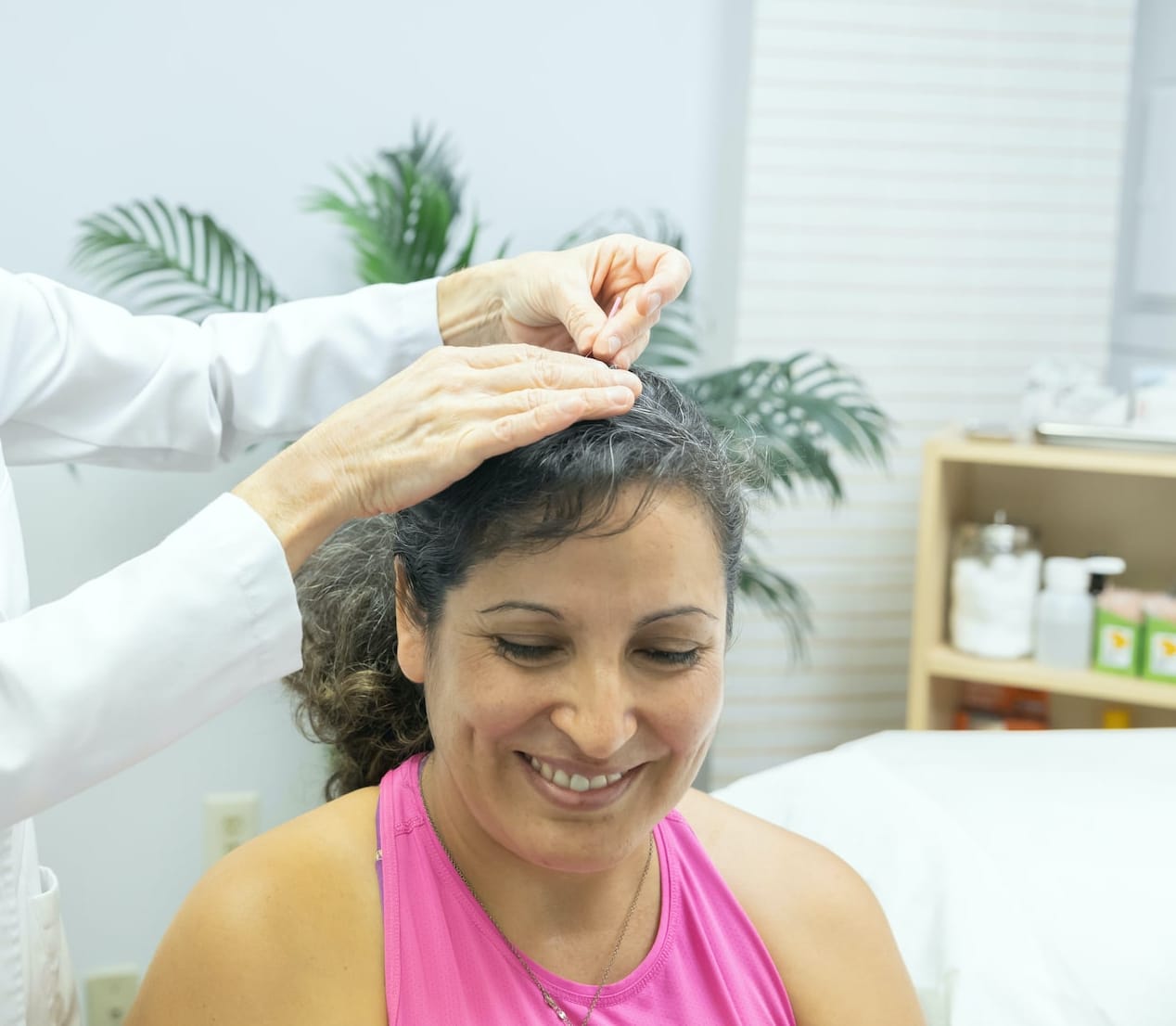
The course expanded my repertoire of advanced acupuncture methods for neurological care by demonstrating how techniques such as Xing Nao Kai Qiao and other targeted scalp, body, and auricular acupuncture approaches can influence brain and nervous system function. Also, we honed our skills in assessments such as gait analysis, balance and posture, eye movement dysfunction, identification of sensory changes, and other neurological weakness patterns. With these ways of gleaning insight into the uniqueness of each case, I can continue to refine my treatments with greater specificity and intention.
This deeper understanding strengthens my approach to treating Parkinson’s disease. Rather than looking only at outward symptoms, we can perform simple questioning, bedside assessments and observations to understand better what may be happening beneath the surface– from early warning signs such as loss of smell, disturbed sleep, constipation and anxiety, to visible signs like changes in balance, reduced arm swing, and altered eye movements, to other subtle observations of posture, gait, and scalp tissue quality. These details matter. They can help identify dysfunction earlier and guide more precise, individualized treatment.
What excites me most is how this knowledge can directly improve patient care. Eastern Medicine has long been used to support patients with Parkinson’s and other neurological conditions, often helping them walk better, function better, feel less pain, and think more clearly. While some diagnoses are progressive and long-term, I believe acupuncture can play an important complementary role alongside Western treatment in supporting quality of life and prolonging function.
My goal is not simply to treat symptoms, but to keep expanding my ability to help patients with Parkinson’s and other neurodegenerative diseases live with greater mobility, clarity, and dignity. As research into acupuncture and the treatment of Parkinson’s Disease progresses, I remain eager to learn, grow, and apply the most effective approaches available so I can offer patients thoughtful, informed, and compassionate care.